
Mission Zero- Zero preventable deaths on Australia's coastlines.
This tax appeal, all donations over $2 are tax decuctible.
Support the 2026 Tax Appeal
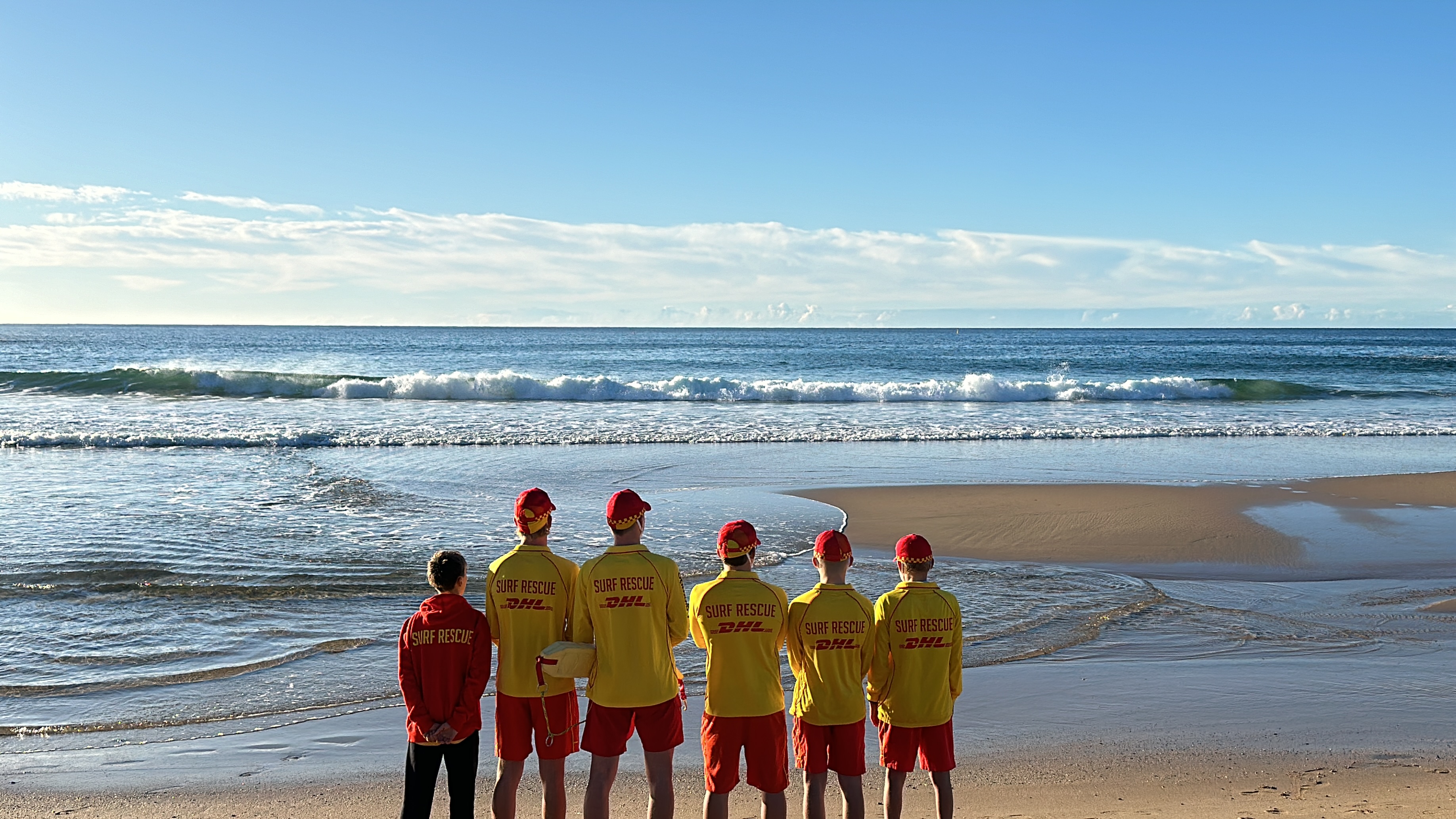
"As soon as we got that defib on and the first shock, he started coming back. The defibrillator saved his life, there’s no doubt."
“Rescue, rescue, rescue!”
The words over the radio shattered the calm of a perfect Sunday morning at Cottesloe Beach. In an instant, volunteer surf lifesavers sprinted toward the water.
A man had been seen clutching his chest in the shallows and had gone underwater.
And in that moment, every second, every skill, every piece of equipment, and every trained volunteer surf lifesaver on the beach mattered in the race to save the man’s life.
Like the critical call that went out over the radio that Sunday morning, this Tax Appeal I’m calling out to you to be a hero too; to donate to Surf Life Saving and help ensure that when the next emergency strikes, our volunteers have everything they need to save a life.
Because your support matters. Your donation puts equipment and skills into the hands of volunteer surf lifesavers and helps save precious lives - 3989 lives across our Australian beaches over summer.
Including the life of the man who sparked the call of ‘rescue’ that day on Cottesloe Beach.
It was just after 9am on Sunday 9 November and families were settling in for a beautiful day at the beach.
For Julian Berry and the Cottesloe SLSC patrol team, the morning had only just begun. The patrol area was set up, red and yellow flags marked the safest place to swim, rescue boards and tubes were on hand should anyone get in trouble in the water. A big group of around 400 nippers were gathering ready to start activities for the morning. Patrol Captain, Julian Barry and his wife, Brigitte, were just about to head out in the IRB to set some cans for the club swim.
Then the call came through over the radio.
“We heard the ‘rescue, rescue, rescue’ on the radio… we’ve got an unconscious patient and I’m about to start compressions’,” Julian said describing the moment that kick started the intricate lifesaving rescue that involved all 12 patrol members, multiple off-duty members, and paramedics.
Against all odds...
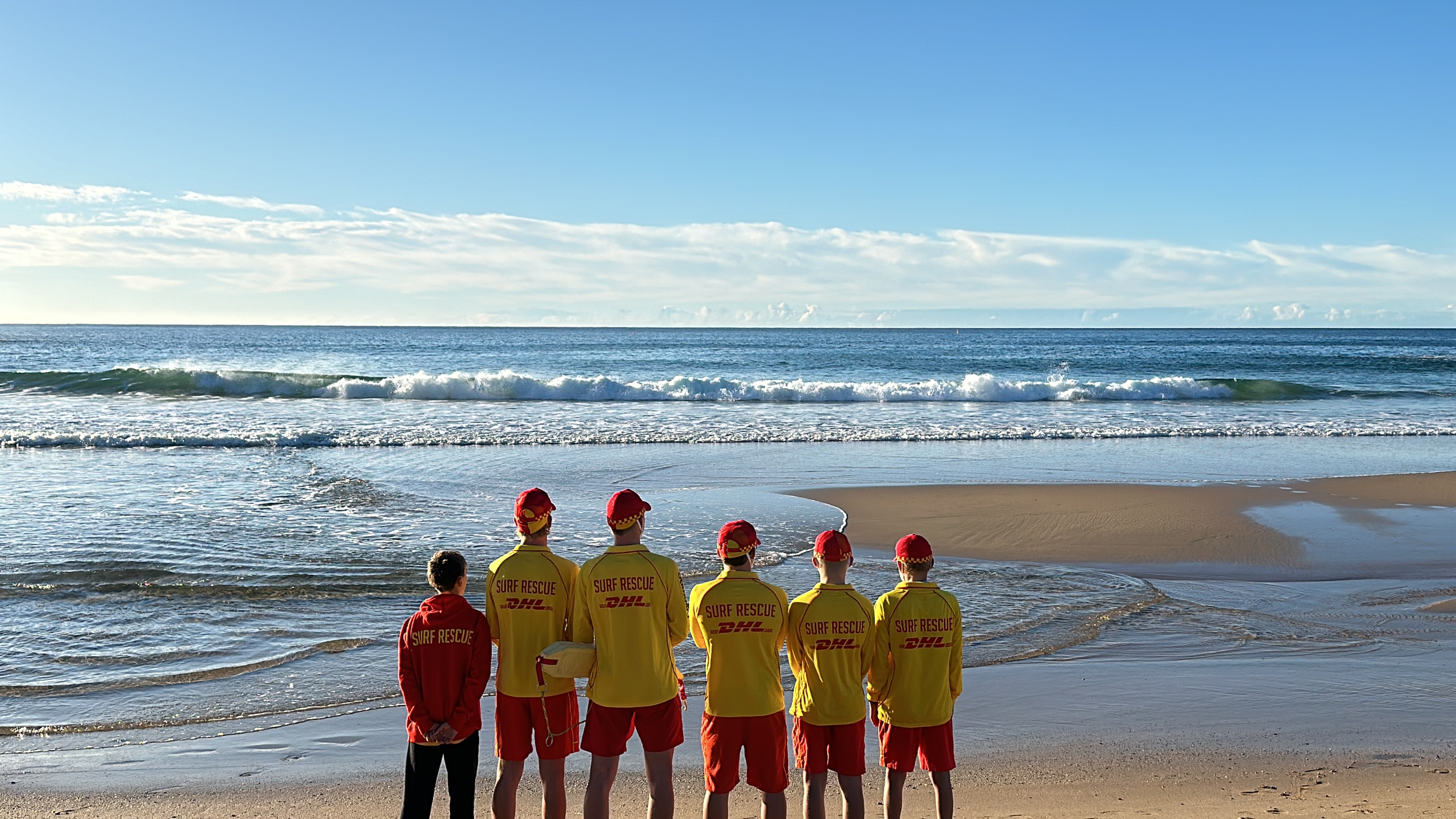
A swimmer had seen the man clutch his chest and slip underwater. Three nipper parents who held their Bronze Medallions leapt to action and pulled him from the water.
Stella, one of the youngest volunteers on patrol that day, had been up that end of the beach. She was only 18 but she didn’t hesitate. She made the call of ‘rescue’ over the radio and began CPR as soon as the man was laid on the sand, the first crucial moments that kept him alive long enough for others to arrive.
Within seconds, volunteers, including Julian and BrigitteBridget, were running from every direction. The ATV roared across the sand carrying the defibrillator, oxygen kit, and first aid equipment – vital equipment needed to save the man’s life.
When Julian reached the scene, the man had no pulse. No breath. No response.
Volunteers, including doctors who were off-duty members of the surf club, rotated through CPR. One off-duty member who was trained in Surf Life Saving Australia’s new Lifesaving CPR technique took over, delivering deeper, more effective compressions.
Meanwhile, others prepared the defibrillator.
They attached the pads. The machine analysed the rhythm. And then:
A shock.
A groan.
Movement.
Life.
“As soon as we got that defib on and the first shock, he started coming back. The defibrillator saved his life, there’s no doubt,” Julian said.
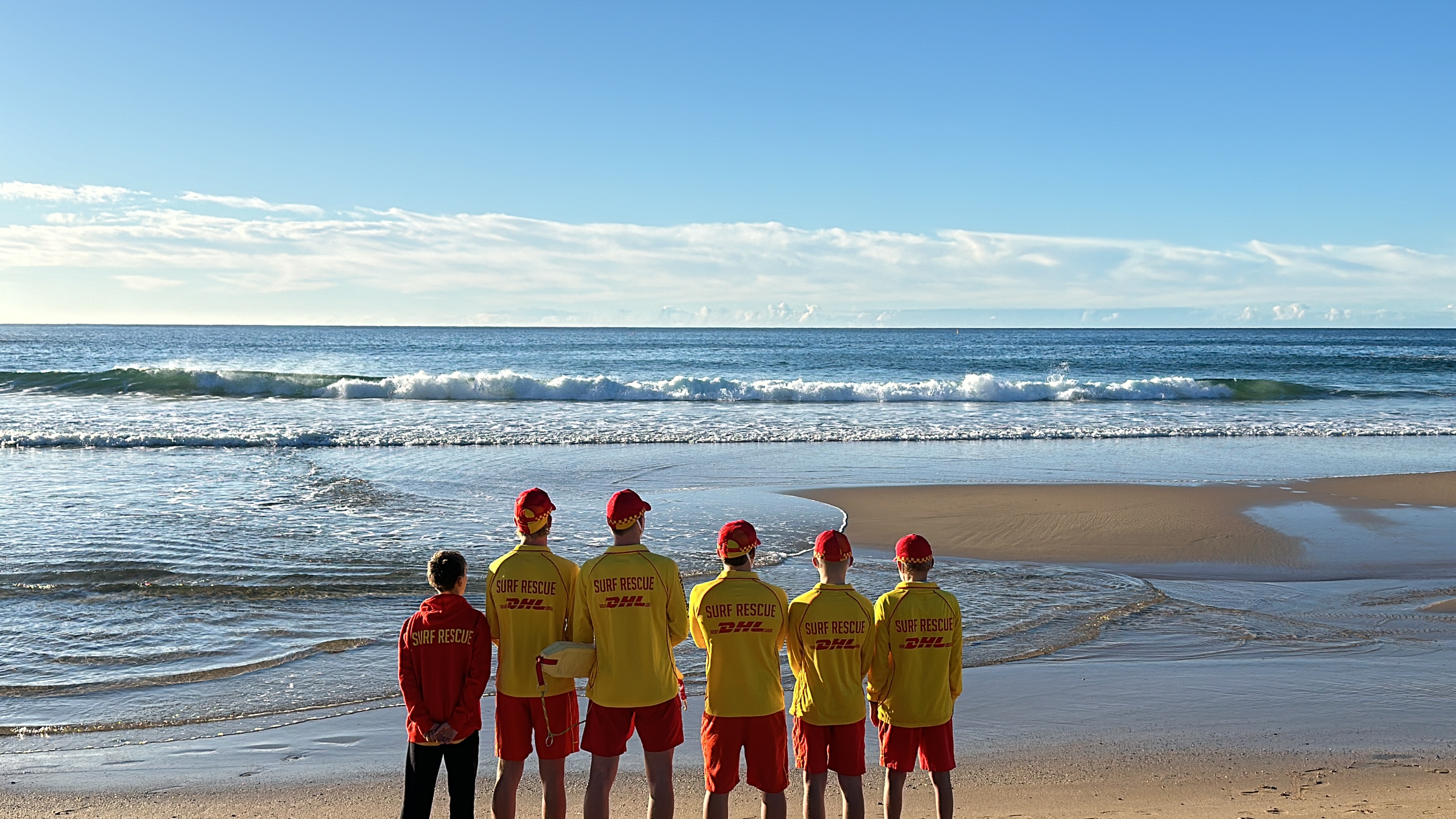
That defibrillator - purchased, maintained, and ready to go thanks to donor support - was the difference between a family going home together and heartbreaking tragedy on the sand.
That defibrillator - purchased, maintained, and ready to go thanks to donor support - was the difference between a family going home together and heartbreaking tragedy on the sand.
Cottesloe Beach was packed that morning. Families. Swimmers. Tourists. More than 400 young nippers who were taken for a run up the beach by their age managers, so they weren’t exposed to the traumatic scene. While volunteers fought to bring one man back from the brink of tragedy, they also had to protect the patient and his distressed wife, keep the public back, guide paramedics to the patient so he could be taken to the waiting ambulance, and continue watching over other beachgoers by patrolling the beach.
And they succeeded.
But only because they had the numbers, the training, and the equipment – all vital resources YOUR support helped provide.
As Julian explained,
“All the resources that go into saving one person’s life, it’s worth it.”
“It’s extremely important to have all the right equipment, to be able to get a defib and an oxy on him. That literally saved his life.”
And it’s not just equipment that helps our volunteer surf lifesavers save lives. Training is critical too.
“You need to make sure all your trainings and skills are current… that helps you just go into that rescue mode and not second guess yourself,” Julian said.
“You've got to have the numbers on the beach. We were lucky we had a big patrol there that day. If it had been a smaller patrol of five or six people, they would have struggled to get all the support that they needed. Everyone had a role to play and because of the training they've got, they just go into that automatic mode, and everyone works together.”
Could you give regularly?
As well as training new volunteer surf lifesaver, your monthly donation helps repair and replace the equipment that constant exposure to the sun and sea can damage. As a Guardian of the Surf your monthly donation ensures that we are rescue-ready at a moment’s notice. You would be the silent hero behind every life saved.